


The general orthodoxy in mental health culture that says healing is solitary work. That the real transformation happens between you and your therapist, in a room with a white noise machine and a box of tissues, and everything else is supplementary. Support groups, helpful. Friends, nice. But the serious business of healing is individual. I would submit that this accepted theory is, in many cases, very wrong. The nervous system was never meant to heal in solitude. For those in the community whose families of origin are the source of the wound rather than the salve, this orthodoxy can replicate the very isolation that caused the harm.
Community care as trauma recovery in the LGBTQ+ community is paramount to success. Conversations in group chats, living rooms, coffee shops, bars, support groups…these are biologically active trauma recovery mechanism. There is power in this process.
Your Nervous System Was Built for Companionship
The autonomic nervous system is constantly scanning the environment for signals of threat or safety. This process is called neuroception. It happens below conscious awareness. This part of your system reads vocal tone, facial micro-expressions, body posture, and rhythm. It’s making a decision for you, before your thinking brain weighs in, about whether you are safe enough to connect and whether you need to fight, flee, or shut down.
The ventral vagal state, the part of the nervous system responsible for social engagement, calm, and connection, activates through co-regulation. In other words, there is a reciprocal exchange of safety signals between two nervous systems. A warm voice on the phone, a hand on your shoulder, a hug, or the predictable rhythm of a weekly dinner with friends. All serve as nervous system regulators. Our nervous systems need these things to get out of survival mode.
Self-regulation develops on top of co-regulation, not apart from it. All of it…the capacity to soothe yourself, to come back from a trauma response, to tolerate distress without spiraling…was supposed to be built into you in infancy, through a caregiver who showed up consistently and attuned to you. For those who grew up in homes where their identity was a source of conflict, silence, or outright violence, that foundation has cracks in it. Put simply, your nervous system isn’t broken, it’s just still waiting for the relational input someone failed to give you.
The Lineages of Community Healing
Cara Page and the Kindred Southern Healing Justice Collective were articulating a framework for collective care as political resistance to generational trauma long before any formal theory addressed it. These Black queer feminist organizers developed Healing Justice to position community healing not as an alternative to clinical care, but as a practice that reaches what clinical care was never built to touch. The trauma of systems. The weight carried in bodies across generations. The exhaustion of surviving at intersections that the dominant culture would prefer to ignore.
Indigenous and Two-Spirit frameworks center relational, decolonial healing that recognizes the disruption colonialism inflicted on gender, sexuality, and kinship structures. Organizations working with 2SLGBTQIA+ Indigenous communities practice community-embedded wellness that treats the individual and the collective as inseparable.
African Diasporic spiritual traditions… Ifa, Lucumi, Vodou… affirm Black queerness as integral to spiritual community and offer ancestral veneration, herbalism, and ritual as healing modalities that no fifty-minute therapy session can replicate.
The point is not to romanticize these traditions or flatten them into a single narrative. The point is to name, clearly, that the idea of community-as-medicine is not new. Clinical psychology did not invent it. Polyvagal theory gave Western practitioners a neurological explanation for something that Black, Indigenous, and communities of color have practiced and theorized for centuries.
Chosen Family Is Earned Secure Attachment
Humans organize around their primary bonds. The patterns learned in early relationships, whether to reach for others or pull away, whether closeness feels safe or suffocating, whether needs are met or ignored, become the template for every relationship that follows. For LGBTQIA+ people whose families of origin responded to their identity with rejection, conditional love, or violence, the original attachment system became a paradox. The people who were supposed to keep you safe hurt you the most.
Chosen family rewrites this. Not metaphorically. Clinically.
Earned secure attachment is a real developmental phenomenon. It describes the process by which someone who did not receive secure attachment in childhood builds it later through consistent, reliable, attuned relationships. When your mother deadnames you repeatedly, but your best friend uses your correct name from day 1…that best friend is not a substitute for your mother. That best friend is a primary attachment figure. The nervous system does not rank relationships by bloodline. It ranks them by safety.
Picture Marcus and Devon, two Black gay men who met at a support group six years ago. Marcus grew up Pentecostal, spent his twenties convinced God was punishing him. He has no family willing to answer his calls. Devon had a similar story. They are not romantic partners. They are each other’s emergency contact, meal-after-a-hard-day companion, and the person who sits in the car outside the doctor’s office just in case.Through years of showing up, their nervous systems have learned that someone will respond when they reach out. This is earned secure attachment. That is real.
Mutual Aid Is a Nervous System Intervention
In these last couple of years, queer mutual aid is not a charming throwback to community organizing. It’s current events survival infrastructure. Organizing rides to hormone appointments. Splitting rent when someone loses a job after being outed. Crowdfunding top surgery. Running a meal train for a friend in recovery. These logistics carry a message the nervous system reads crystal clear: you are not alone. They will not abandon you. There is a floor beneath you.
For a body that has spent years in hypervigilance, scanning for rejection, bracing for the next loss, running a constant background calculation of who might leave… the repeated experience of community showing up is profoundly regulating. It’s evidence that the worst-case scenario the nervous system keeps rehearsing is not the only possible outcome.
Group rituals matter here too. A queer prayer circle at Cathedral of Hope. A collective grounding exercise at the start of a trans support group. A moment of silence held together at a vigil. These are not symbolic. When a room full of people breathes together, matches rhythm, holds shared grief or shared hope, their nervous systems are literally attuning to one another. Ventral vagal activation spreads. One regulated nervous system helps regulate the next. The group becomes a single, breathing safety signal.
Therapy and Community Are Co-Essential
So where does therapy fit? Not above community care. Not as the “real” healing that community supplements. Beside it.
The best therapy helps someone build the internal capacity to receive the relational healing that community offers. A person who has spent thirty years armoring against closeness will not suddenly absorb the safety of chosen family just because someone offers it.. That armor has a purpose. It kept them alive in a home where showing vulnerability got them punished.. Therapy is the space to examine that armor, understand its origins, and slowly, with a skilled clinician who understands the texture of queer trauma, learn to set it down in the presence of people who have earned trust.
Community provides what no therapist can: the daily, ongoing co-regulation of ordinary life. The inside jokes. The shorthand. The knowing glance across a dinner table when someone’s family comes up. The way chosen family holds your full history…it’s irreplaceable.
Healing was communal before it was clinical. The work done in a therapist’s office and the love received from your people are two currents of the same recovery. One without the other leaves the circuit incomplete.
About the Author
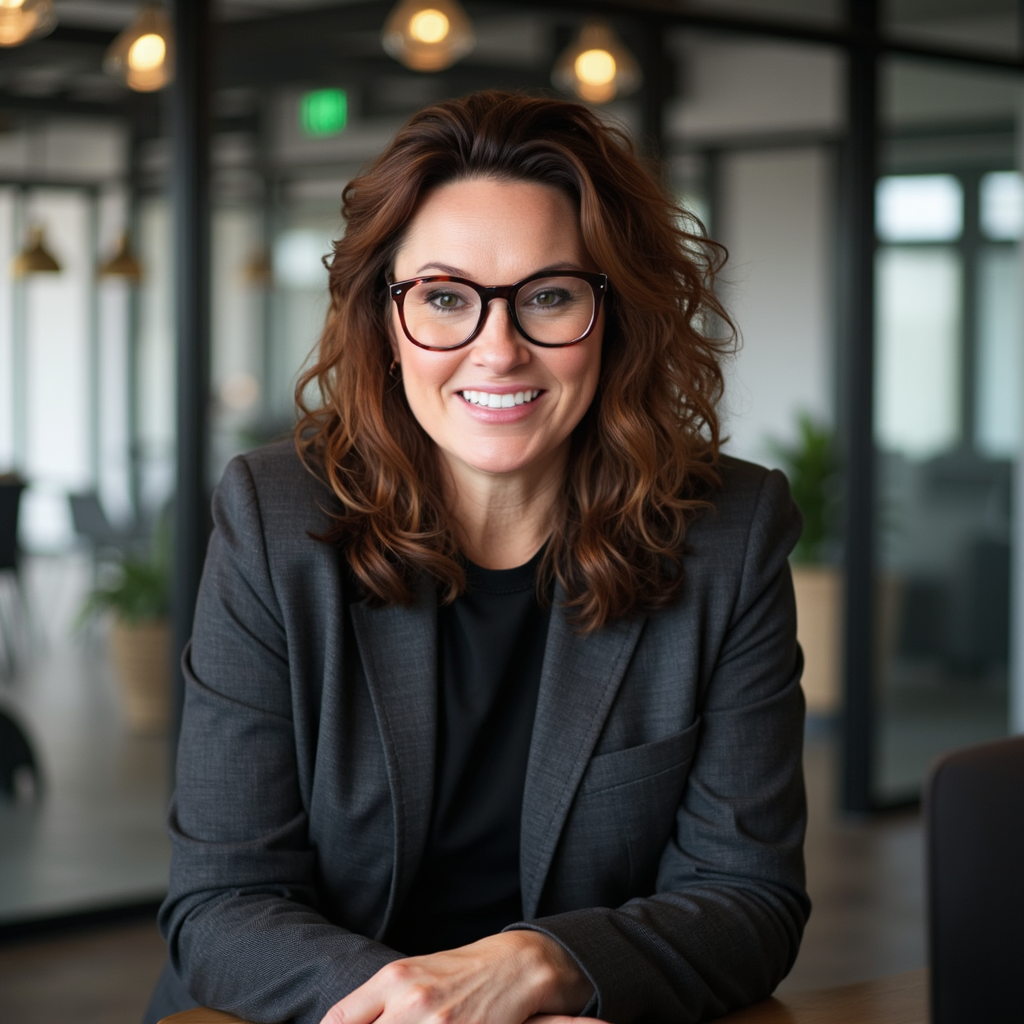
Mayme Connors, LPC-A, LCDC, NCC is a Dallas based therapist working with LGBTQIA+ adults, couples, throuples and polycules who are exhausted from performing stability, success, palatable queerness. Her clients come in burnt out, trying to figure out who they actually are beneath all the expectations and survival strategies.
Using approaches like Internal Family Systems (IFS), Gottman, Relational Life Therapy, and DBT, Mayme helps clients untangle the deeply held beliefs from family, culture, or society that keep them stuck. She’s collaborative, sometimes irreverent, always honest, and deeply present.
Therapy with Mayme isn’t sterile. It’s messy and magical and hard, one badass step at a time.
Ready to start therapy? Book a consultation or learn more about working with Mayme.
