
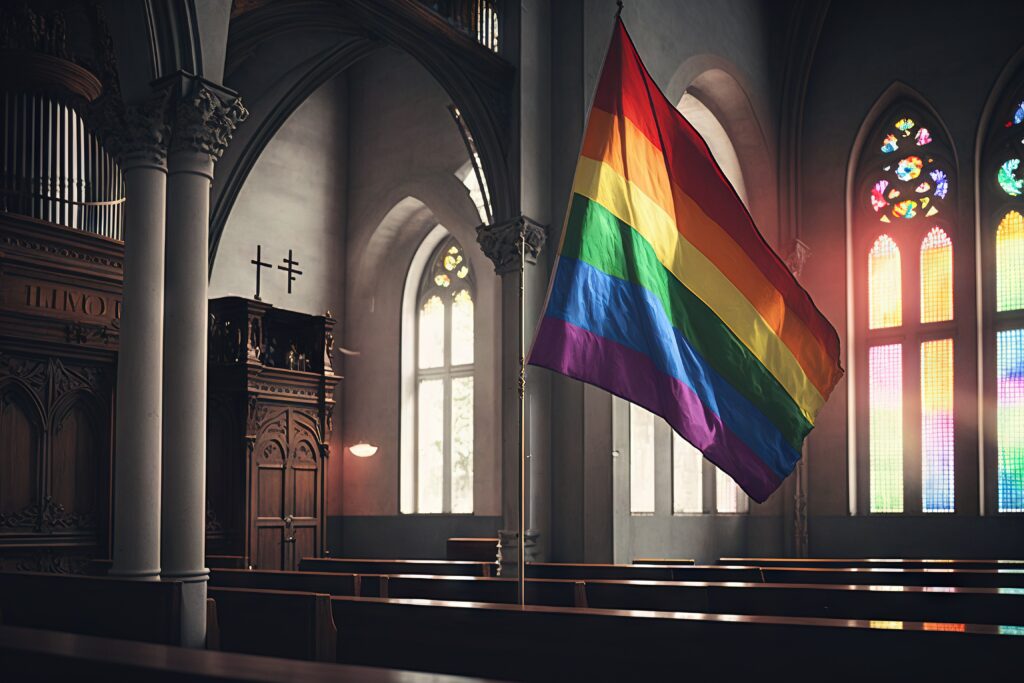
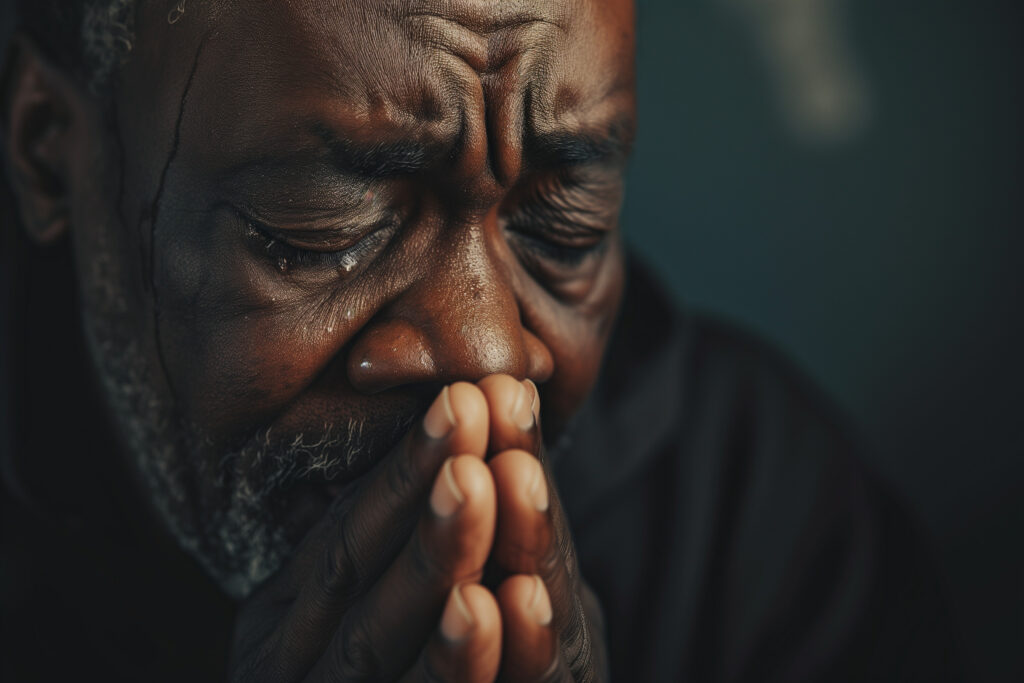
Religion can be a source of comfort, meaning, and community. For many people, however, it can also be a source of fear, shame, rejection, control, and lasting psychological wounds.
Religious trauma isn’t limited to one denomination, belief system, or experience. It can develop from growing up in environments where questioning was discouraged, identity was condemned, fear was used as a tool of control, or love felt conditional on obedience.
For some, the wounds are obvious. For others, they show up years later as anxiety, perfectionism, difficulty trusting themselves, chronic guilt, people-pleasing, relationship struggles, or a persistent sense that they are somehow “wrong.”
53 Christopher provides space to explore these experiences without judgment, pressure, or an agenda. You don’t need to defend your beliefs, abandon them, or have all the answers before you begin.

Religious trauma affects people differently. Some experienced overt spiritual abuse. Others were deeply impacted by years of subtle messages about worth, identity, sexuality, gender, obedience, or belonging.
You may recognize some of these experiences:
Many people spend years believing these struggles are personality flaws. Often, they are understandable adaptations to environments that taught survival through compliance.
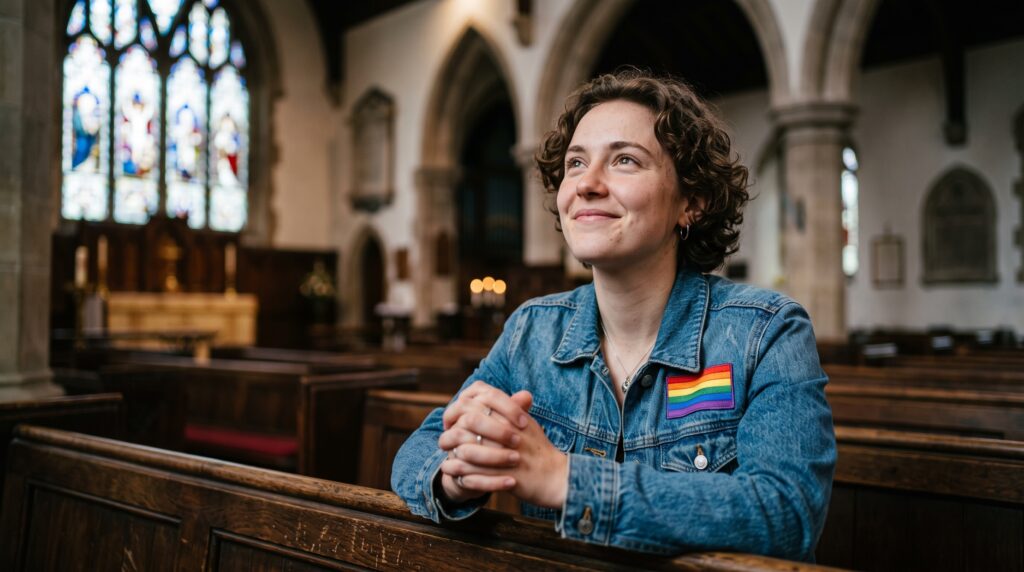
Religious trauma doesn’t just shape what you believe. It shapes how you see yourself, your relationships, your body, your sexuality, your worth, and even your ability to trust your own instincts. If you’ve spent years being told what you’re allowed to think, feel, or want, it’s understandable that making your own choices now can feel overwhelming.
Our therapists offer a place where you don’t have to defend your questions or justify your experiences. Together, we’ll untangle shame from your values, explore the impact of spiritual abuse or coercion, rebuild trust in yourself, and help you develop boundaries that reflect who you are, not who you were expected to be. Whether you’re navigating faith deconstruction, rebuilding a spiritual life that feels authentic, healing from LGBTQ+ religious trauma, repairing your relationship with your body or sexuality, or trying to quiet the anxiety and guilt that never seems to let go, we can help you move toward a life that feels like your own.
There isn’t one right way to heal from religious trauma. Some people leave their faith. Some choose to stay. Others create something entirely new. Our job isn’t to tell you where you should end up. It’s to help you find your own way there.
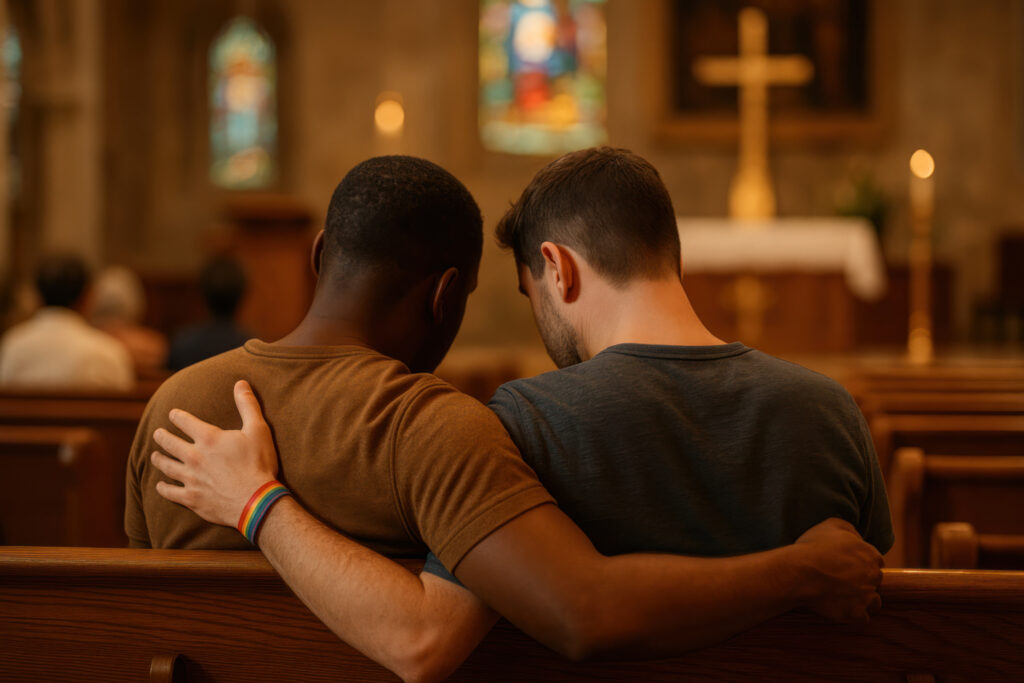
Many LGBTQ+ individuals carry unique wounds from religious environments.
It’s likely you were told that your identity was sinful, broken, disordered, or incompatible with love, belonging, and acceptance. Even after leaving those environments, those messages can continue to shape how you see yourself.
Healing often involves more than rejecting harmful beliefs. It involves rebuilding a relationship with yourself that was interrupted by years of fear, shame, and rejection.
Our therapists understand both religious trauma and LGBTQ+ identity development. You will not need to educate us on either.
Religion can be a source of comfort, meaning, and community. For many people, however, it can also be a source of fear, shame, rejection, control, and lasting psychological wounds.
Religious trauma isn’t limited to one denomination, belief system, or experience. It can develop from growing up in environments where questioning was discouraged, identity was condemned, fear was used as a tool of control, or love felt conditional on obedience.
For some, the wounds are obvious. For others, they show up years later as anxiety, perfectionism, difficulty trusting themselves, chronic guilt, people-pleasing, relationship struggles, or a persistent sense that they are somehow “wrong.”
53 Christopher provides space to explore these experiences without judgment, pressure, or an agenda. You don’t need to defend your beliefs, abandon them, or have all the answers before you begin.

Religious trauma affects people differently. Some experienced overt spiritual abuse. Others were deeply impacted by years of subtle messages about worth, identity, sexuality, gender, obedience, or belonging.
You may recognize some of these experiences:
Many people spend years believing these struggles are personality flaws. Often, they are understandable adaptations to environments that taught survival through compliance.
Religious trauma doesn’t just shape what you believe. It shapes how you see yourself, your relationships, your body, your sexuality, your worth, and even your ability to trust your own instincts. If you’ve spent years being told what you’re allowed to think, feel, or want, it’s understandable that making your own choices now can feel overwhelming.
Our therapists offer a place where you don’t have to defend your questions or justify your experiences. Together, we’ll untangle shame from your values, explore the impact of spiritual abuse or coercion, rebuild trust in yourself, and help you develop boundaries that reflect who you are, not who you were expected to be. Whether you’re navigating faith deconstruction, rebuilding a spiritual life that feels authentic, healing from LGBTQ+ religious trauma, repairing your relationship with your body or sexuality, or trying to quiet the anxiety and guilt that never seems to let go, we can help you move toward a life that feels like your own.
There isn’t one right way to heal from religious trauma. Some people leave their faith. Some choose to stay. Others create something entirely new. Our job isn’t to tell you where you should end up. It’s to help you find your own way there.
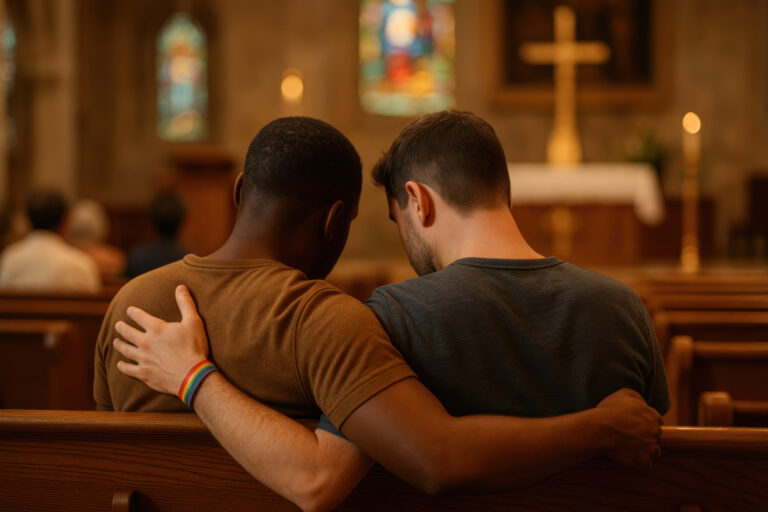
Many LGBTQ+ individuals carry unique wounds from religious environments.
It’s likely you were told that your identity was sinful, broken, disordered, or incompatible with love, belonging, and acceptance. Even after leaving those environments, those messages can continue to shape how you see yourself.
Healing often involves more than rejecting harmful beliefs. It involves rebuilding a relationship with yourself that was interrupted by years of fear, shame, and rejection.
Our therapists understand both religious trauma and LGBTQ+ identity development. You will not need to educate us on either.
At 53 Christopher, we understand that religious trauma is often complex.
Some clients arrive angry. Others arrive grieving. Some still hold spiritual beliefs. Others want nothing to do with religion ever again. Most find themselves somewhere in the middle.
Our role is not to tell you what to believe.
Our role is to help you understand how your experiences shaped you, identify what still serves you, release what no longer does, and build a life that feels authentic, safe, and meaningful.
You set the destination. We help you navigate the journey.
It’s very real. Religious trauma occurs when a person’s experience in their faith-based community is stressful, degrading, dangerous, abusive, or otherwise harmful. Many forms of religious trauma are not associated with specific events but instead accumulate over a long period of time through harmful messages enforced by their community. The comparison trap is one of religious trauma’s most persistent features. The idea that your experience has to clear some bar of severity to count. It doesn’t. If it shaped how you see yourself, how safe you feel, how much you trust your own mind…it counts.
Because you can leave a religion without it leaving you. Indoctrination and emersion work. Even after leaving the group or beliefs behind, it can be harder to leave the thought patterns behind, resulting in continued pain and confusion. Your religious upbringing can have as much influence on you as your family of origin, shaping how you see and interact with the world around you. The theology exits. The shame, the hypervigilance, the reflex to make yourself smaller…those take longer.
Religious trauma doesn’t require a single dramatic event. It can come from a wide range of experiences: authoritarian teachings, purity culture, spiritual abuse, exclusion based on identity, or fear-based doctrines. These experiences shape how we view ourselves, our place in the world, and our connection to a higher power. If you were taught that who you are is fundamentally broken. that your body, your desires, your identity, your doubts make you unworthy of love or safety, that is harm. It doesn’t need a label to deserve treatment.
No. You can hold faith and carry religious wounds at the same time. Deconstruction doesn’t require atheism as its endpoint. Deconstruction is not about “losing faith”. It’s about gaining clarity, autonomy, and peace. Therapy here doesn’t push you toward or away from belief. We follow your lead. Whatever you’re trying to sort out, we hold it without an agenda.
Purity culture is a set of teachings, most commonly perpetuated in evangelical and fundamentalist Christian contexts. It centers sexual abstinence, shame-based gender roles, and the moral surveillance of the body. Sexual shame is pervasive when individuals are raised in purity culture or taught that normal sexual feelings or behaviors are sinful or shameful. This can lead to deep sexual shame, difficulty forming healthy sexual relationships, body shame, or guilt. In extreme cases it can lead to inability to engage in or enjoy sex even under conditions the church deems acceptable, and physical responses may be similar to survivors of sexual assault. That’s not metaphor. That’s a clinical description of what purity culture does to a nervous system.
One of the deepest wounds LGBTQ+ people carry is being taught from a very early age that a higher power is against us. The belief doesn’t disappear when we leave religious spaces. It remains in our collective psyche, influencing how we see ourselves and relate to one another. Some LGBTQ+ people grow up in conservative religious communities who believe their identity is sinful. Religious trauma can stem from the internalized message that who you are somehow puts your relationship with your god, your family, and your community at risk. This isn’t just theology. It’s an attachment wound…the message that love is conditional on becoming someone you’re not.
Absolutely yes! Conversion therapy is a documented form of harm. Research shows conversion practices are particularly associated with increased experiences of abuse, mental health diagnoses, and suicidality, as well as anger at deceptive claims and mistreatment, grief at loss of time, opportunity, and youth, increased sense of shame, and impairment of self-concept. The damage it does is very real, deeply layered, and totally treatable. This is work we know how to do.
We cannot stress this enough… YES. Fear-based indoctrination uses threats of eternal damnation to control behavior. You live in terror of divine punishment for “wrong” thoughts. “Satan”, demons, and evil forces feel constantly present. Apocalyptic anxiety pervades everything. When the threat is infinite and eternal, the nervous system has no off switch. That kind of chronic activation, starting in childhood, enforced by community and authority, produces real trauma that doesn’t resolve just because you’ve intellectually stopped believing.
High-control religious environments, those that isolate members, demand obedience, punish questioning, and control information, produce a specific kind of harm. Leaving them often means losing your entire social world at once: your community, your family relationships, your identity, your framework for making sense of the world. Deconstruction can be a lonely and isolating process. Our therapists can help you identify which relationships from your religious community are worth fighting for and which you might need space from as you navigate this process. The grief of that loss is real, and it needs its own space.
Religious deconstruction is the process of critically examining and dismantling previously held religious beliefs, often in the wake of painful or disillusioning experiences with faith communities or doctrine. For some, this leads to leaving their religion entirely. For others, it means reconstructing a new, personal form of spirituality. It’s a reckoning, and for many people it’s one of the most honest things they’ve ever done.
No. Coming in uncertain, angry, grieving, or completely untethered is a valid starting place. You don’t need a finished theology or a clear destination. You need a room where you can think out loud without being guided toward a predetermined answer. That’s what this is.
Hypervigilance, rigid perfectionism, chronic shame, and frequent self-criticism can all be signs of religious trauma. So can difficulty trusting authority, scrupulosity (obsessive moral checking), sexual shame and dysfunction, fear of independent thought, black-and-white thinking, difficulty with ambiguity, and a pervasive sense of unworthiness that feels almost structural…like it was baked into your DNA. Honestly, it was. That is the nature of indoctrination.
It depends on what’s there. For some people, religious trauma is primarily a grief process — mourning the community, the certainty, the version of the world that made sense. For others it’s closer to complex trauma treatment: working with the nervous system, the body, the parts that are still bracing for punishment. We draw from trauma-informed approaches including EMDR, somatic work, IFS, and Schema Therapy depending on what the presentation calls for. We don’t use a single protocol because religious harm doesn’t come in a single shape.
That’s a reasonable concern. Fundamentalism looks different from Catholicism, which differs from Mormon experiences. A therapist working with religious trauma should know these nuances. At 53 Christopher, we work regularly with clients navigating harm from evangelical and fundamentalist Christianity, purity culture, Catholic contexts, and identity-based religious harm in the LGBTQ+ community. You won’t need to spend your sessions doing a primer on what your tradition actually taught.
This is one of the most painful parts of religious trauma; the fact that the community and the family are often the same thing. Leaving a religion can mean renegotiating every close relationship you have. Therapy can help you figure out what you’re willing to hold, what you need to say, what you can’t go back to, and how to grieve what leaving costs without talking you into staying silent or cutting everyone off.

Reach out to us today to start your therapy journey with 53 Christopher. Our team is here to support you on your path to personal growth and well-being.
Contact Us