
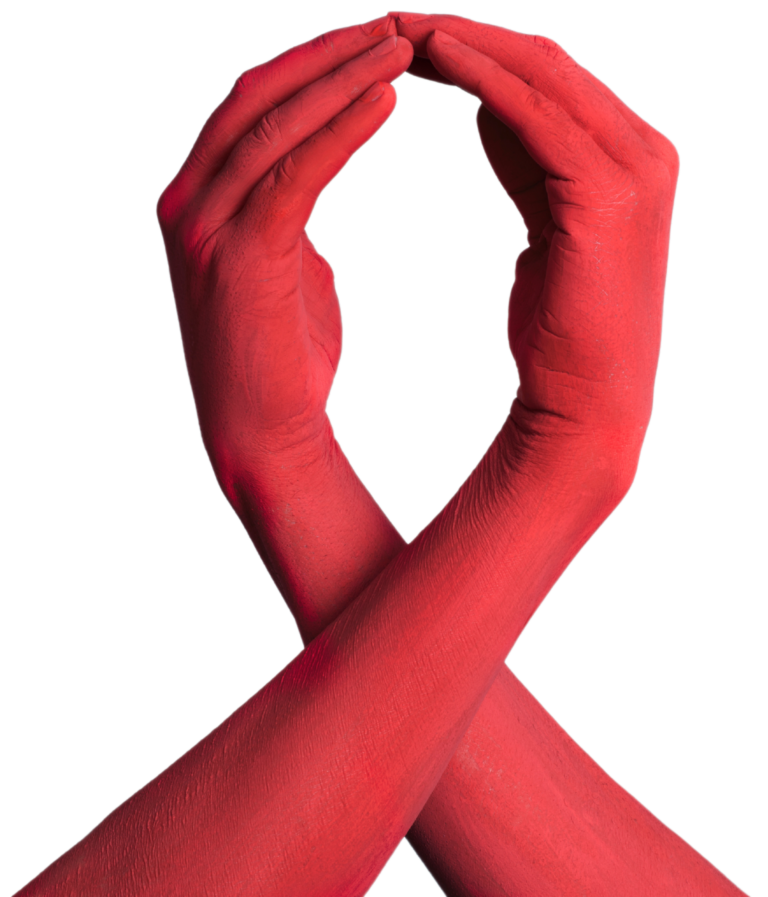

An HIV diagnosis can bring fear, anger, grief, disbelief, relief, shame, uncertainty, or a myriad of other emotions that are much harder to name. Those feelings don’t necessarily disappear once the initial shock of diagnosis has passed. Sometimes, they stay with us as we learn what it means to live with HIV and may still influence how we see our relationships, our bodies, and our future.
HIV treatments have changed dramatically. The societal understanding of HIV hasn’t always kept up.
Today, people living with HIV who receive effective treatment can live long, healthy lives. And when treatment results in a sustained undetectable viral load, HIV cannot be sexually transmitted, posing zero risk of transmitting HIV to their sexual partners: Undetectable = Untransmittable (U=U).
While the science brought positive change, decades of fear, stigma, moral judgment, and misinformation have not reflected these changes.
Maybe the medical part feels manageable, but the emotional part doesn’t.
A lab result can still send your nervous system into overdrive. A promising date can suddenly become a calculation about when to disclose. Sex can bring up questions that weren’t there before. A careless comment, an ignorant joke, or a bad healthcare experience can reopen shame you thought you’d already worked through.
For others, HIV becomes quieter but never entirely disappears. It shows up in loneliness, depression, body shaming, medical anxiety, or the exhausting feeling that there is something about you that must be explained before you can simply be known.
At 53 Christopher Counseling & Psychotherapy, we provide therapy for people living with HIV in Dallas and online across Texas. Therapy offers a place for the parts of living with HIV that often go unspoken. A space where you don’t have to educate, defend, explain, or minimize what you’re carrying.
An HIV diagnosis can bring fear, anger, grief, disbelief, relief, shame, uncertainty, or a myriad of other emotions that are much harder to name. Those feelings don’t necessarily disappear once the initial shock of diagnosis has passed.
Sometimes, they stay with us as we learn what it means to live with HIV and may still influence how we see our relationships, our bodies, and our future.
HIV treatments have changed dramatically. The societal understanding of HIV hasn’t always kept up.
Today, people living with HIV who receive effective treatment can live long, healthy lives.
And when treatment results in a sustained undetectable viral load, HIV cannot be sexually
transmitted, posing zero risk of transmitting HIV to their sexual partners: Undetectable = Untransmittable (U=U).
While the science brought positive change, decades of fear, stigma, moral judgment, and misinformation have not reflected these changes.
Maybe the medical part feels manageable, but the emotional part doesn’t.
A lab result can still send your nervous system into overdrive. A promising date can suddenly become a calculation about when to disclose. Sex can bring up questions that weren’t there before. A careless comment, an ignorant joke, or a bad healthcare experience can reopen shame you thought you’d already worked through.
For others, HIV becomes quieter but never entirely disappears. It shows up in loneliness, depression, body shaming, medical anxiety, or the exhausting feeling that there is something about you that must be explained before you can simply be known.
At 53 Christopher Counseling & Psychotherapy, we provide therapy for people living with HIV in Dallas and online across Texas. Therapy offers a place for the parts of living with HIV that often go unspoken. A space where you don’t have to educate, defend, explain, or minimize what you’re carrying.
An HIV diagnosis can bring fear, anger, grief, disbelief, relief, shame, uncertainty, or a myriad of other emotions that are much harder to name. Those feelings don’t necessarily disappear once the initial shock of diagnosis has passed. Sometimes, they stay with us as we learn what it means to live with HIV and may still influence how we see our relationships, our bodies, and our future.
HIV treatments have changed dramatically. The societal understanding of HIV hasn’t always kept up.
Today, people living with HIV who receive effective treatment can live long, healthy lives. And when treatment results in a sustained undetectable viral load, HIV cannot be sexually transmitted, posing zero risk of transmitting HIV to their sexual partners: Undetectable = Untransmittable (U=U).
While the science brought positive change, decades of fear, stigma, moral judgment, and misinformation have not reflected these changes.
Maybe the medical part feels manageable, but the emotional part doesn’t.
A lab result can still send your nervous system into overdrive. A promising date can suddenly become a calculation about when to disclose. Sex can bring up questions that weren’t there before. A careless comment, an ignorant joke, or a bad healthcare experience can reopen shame you thought you’d already worked through.
For others, HIV becomes quieter but never entirely disappears. It shows up in loneliness, depression, body shaming, medical anxiety, or the exhausting feeling that there is something about you that must be explained before you can simply be known.
At 53 Christopher Counseling & Psychotherapy, we provide therapy for people living with HIV in Dallas and online across Texas. Therapy offers a place for the parts of living with HIV that often go unspoken. A space where you don’t have to educate, defend, explain, or minimize what you’re carrying.
Why do I feel ashamed when I know there is nothing to be ashamed of?
When, and how, do I tell someone I’m dating?
Why does an upcoming lab result still scare the hell out of me?
How do I trust my body again?
Why am I still affected by a diagnosis I received years ago?
How do I stop expecting rejection before it even happens?
Can I have the sex life and relationships I actually want?
Who am I when HIV isn’t the first thing I think about myself?
These aren’t signs that you’re handling HIV badly. They’re human questions about what happens when health, identity, stigma, intimacy, and vulnerability collide.
Why do I feel ashamed when I know there is nothing to be ashamed of?
When, and how, do I tell someone I’m dating?
Why does an upcoming lab result still scare the hell out of me?
How do I trust my body again?
Why am I still affected by a diagnosis I received years ago?
How do I stop expecting rejection before it even happens?
Can I have the sex life and relationships I actually want?
Who am I when HIV isn’t the first thing I think about myself?
These aren’t signs that you’re handling HIV badly. They’re human questions about what happens when health, identity, stigma, intimacy, and vulnerability collide.

Good HIV-informed therapy isn’t about convincing you to “stay positive.”
It’s about making room for the reality of your experience and helping you build a life in which HIV doesn’t get to make every decision.
Depending on what you’re carrying, our work might include:
Sometimes the work is directly about HIV. Sometimes it isn’t.
The goal isn’t to pretend HIV isn’t part of your life. It’s to help HIV become one part, rather than the narrator, of your story.
Good HIV-informed therapy isn’t about convincing you to “stay positive.”
It’s about making room for the reality of your experience and helping you build a life in which HIV doesn’t get to make every decision.
Depending on what you’re carrying, our work might include:
Sometimes the work is directly about HIV.
Sometimes it isn’t.
The goal isn’t to pretend HIV isn’t part of your life. It’s to help HIV become one part, rather than the narrator, of your story.
Good HIV-informed therapy isn’t about convincing you to “stay positive.”
It’s about making room for the reality of your experience and helping you build a life in which HIV doesn’t get to make every decision.
Depending on what you’re carrying, our work might include:
Sometimes the work is directly about HIV.
Sometimes it isn’t.
The goal isn’t to pretend HIV isn’t part of your life. It’s to help HIV become one part, rather than the narrator, of your story.

Knowing the facts and feeling safe are not always the same thing.
You can understand U=U intellectually and still feel fear during sex. You can know HIV doesn’t make you less desirable and still brace yourself before disclosure. You can have a loving partner who accepts your status completely and still struggle to believe that acceptance is real.
For some people, the hardest part of living with HIV is figuring out how and when to tell someone. Disclosure can feel extraordinarily vulnerable because you’re not simply sharing medical information. You’re handing another person information that may carry years of cultural baggage and trusting them to respond with empathy.
A rejection after disclosure can hurt, even when you know that the rejection reflects someone else’s fear or misinformation.
HIV can also enter established relationships in complicated ways.
Couples may be navigating a new diagnosis, different HIV
statuses, changes in sexual confidence, fears about transmission, medication or health concerns, disclosure to family and friends, or relationship wounds that suddenly become entangled with HIV.
For people who are dating, hooking up, practicing ethical non-monogamy, or building polyamorous relationships, sexual-health and disclosure conversations can become even more layered. There may be multiple partners, different agreements, different levels of knowledge about HIV, and very different ideas about risk and safety.
Therapy gives us room to talk about all of it without assuming what your relationships or sex life are supposed to look like.
We can work through fears around disclosure, challenge internalized stigma, rebuild sexual confidence, strengthen communication, and help you develop relationships that feel authentic rather than organized around anticipated rejection.
You deserve relationships where you are known fully. Not relationships built around fear, secrecy, or shame.
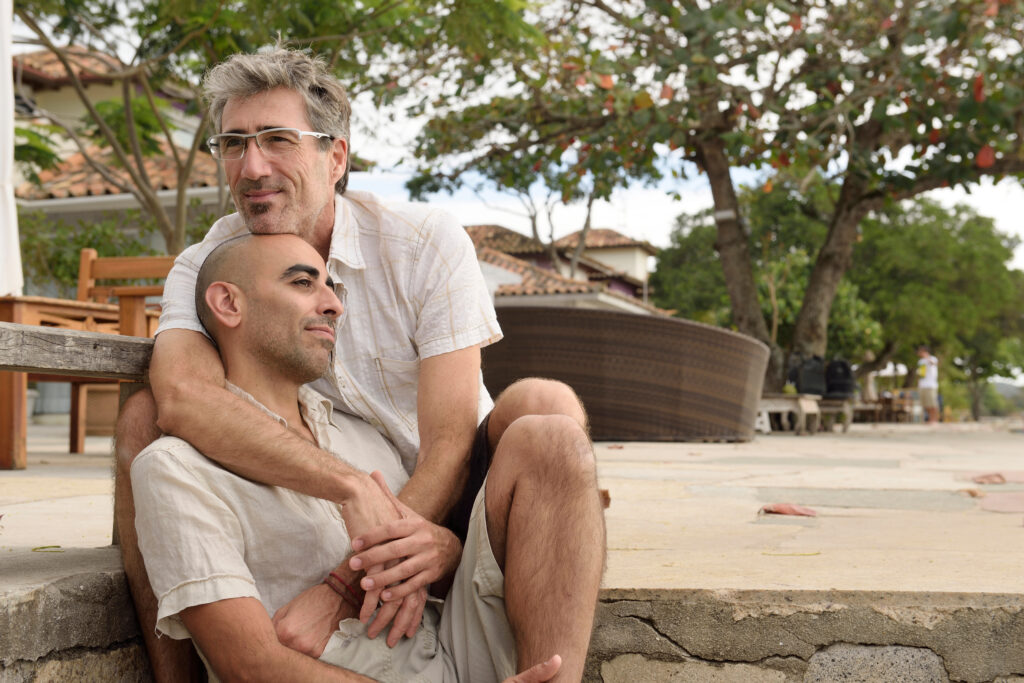
Living with HIV for decades can be a very different psychological experience from receiving a diagnosis today.
For long-term survivors, HIV may carry memories of an entirely different era. One in which a diagnosis could mean preparing to die rather than learning to manage a chronic medical condition.
You may have lost friends, partners, chosen family, or entire pieces of your community. You may have lived through years when fear and misinformation were everywhere and discrimination was often overt. You may remember medications that were difficult to tolerate, frightening medical uncertainty, or healthcare environments that did not always treat people living with HIV with dignity.
And then the future changed.
That can carry its own psychological complexity.
Some long-term survivors experience grief, survivor guilt, anger, medical trauma, or the strange disorientation of having once prepared for a shortened life and then having to figure out what it means to grow older.
Aging with HIV may also bring new questions about health, relationships, sexuality, caregiving, retirement, community, loneliness, and loss.
You may even find yourself watching younger generations encounter HIV in a completely different medical reality and feel grateful, relieved, angry, disconnected…or all of those things at once.
There is room for that complexity here.
You don’t have to turn survival into an inspirational story. Sometimes surviving something means eventually having the space to understand what surviving it cost.
Living with HIV for decades can be a very different psychological experience from receiving a diagnosis today.
For long-term survivors, HIV may carry memories of an entirely different era.
One in which a diagnosis could mean preparing to die rather than learning to manage a chronic medical condition.
You may have lost friends, partners, chosen family, or entire pieces of your community. You may have lived through years when fear and misinformation were everywhere and discrimination was often overt. You may remember medications that were difficult to tolerate, frightening medical uncertainty, or healthcare environments that did not always treat people living with HIV with dignity.
And then the future changed.
That can carry its own psychological complexity.
Some long-term survivors experience grief, survivor guilt, anger, medical trauma, or the strange disorientation of having once prepared for a shortened life and then having to figure out what it means to grow older.
Aging with HIV may also bring new questions about health, relationships, sexuality, caregiving, retirement, community, loneliness, and loss.
You may even find yourself watching younger generations encounter HIV in a completely different medical reality and feel grateful, relieved, angry, disconnected…or all of those things at once.
There is room for that complexity here.
You don’t have to turn survival into an inspirational story. Sometimes surviving something means eventually having the space to understand what surviving it cost.
Living with HIV for decades can be a very different psychological experience from receiving a diagnosis today.
For long-term survivors, HIV may carry memories of an entirely different era. One in which a diagnosis could mean preparing to die rather than learning to manage a chronic medical condition.
You may have lost friends, partners, chosen family, or entire pieces of your community. You may have lived through years when fear and misinformation were everywhere and discrimination was often overt.
You may remember medications that were difficult to tolerate, frightening medical uncertainty, or healthcare environments that did not always treat people living with HIV with dignity.
And then the future changed.
That can carry its own psychological complexity.
Some long-term survivors experience grief, survivor guilt, anger, medical trauma, or the strange disorientation of having once prepared for a shortened life and then having to figure out what it means to grow older.
Aging with HIV may also bring new questions about health, relationships, sexuality, caregiving, retirement, community, loneliness, and loss.
You may even find yourself watching younger generations encounter HIV in a completely different medical reality and feel grateful, relieved, angry, disconnected…or all of those things at once.
There is room for that complexity here.
You don’t have to turn survival into an inspirational story. Sometimes surviving something means eventually having the space to understand what surviving it cost.
Living with HIV doesn’t happen in a vacuum.
The emotional experience of HIV can intersect with family, religion, culture, sexuality, gender, race, relationships, trauma, community, and the messages you’ve received about whose bodies, relationships, and sexual lives are considered acceptable.
For LGBTQIA+ people, HIV can carry an additional history.
The HIV/AIDS epidemic profoundly shaped LGBTQ+ communities, particularly generations of gay and bisexual men and trans women. Loss, activism, medical discrimination, religious condemnation, sexual stigma, political neglect, and the devastation of the AIDS crisis remain part of our collective history.
Even people born long after the worst years of the epidemic can inherit pieces of that history through family, community, media, religion, sex education, and cultural messages about HIV.
But HIV is not exclusively an LGBTQIA+ issue, and you do not have to identify as LGBTQIA+ to receive care at 53 Christopher.
At 53 Christopher, we want to understand the whole person sitting in front of us.
Our therapists take an affirming, trauma-informed approach to therapy with people living with HIV.

Whether you’re navigating a recent diagnosis, processing years of stigma, rebuilding confidence in relationships, confronting medical anxiety, or simply trying to feel more like yourself again, therapy can provide a place to explore those experiences without judgment.
You shouldn’t have to spend your therapy session explaining basic LGBTQIA+ identities, defending your relationships, or teaching your therapist why stigma and minority stress matter.
You deserve support that understands context, not just symptoms.
If you’re also navigating anxiety, trauma, identity questions, or relationship challenges, you may find it helpful to explore our LGBTQ+ Therapy, Anxiety & Stress Therapy, Trauma Therapy, Identity & Life Transitions Therapy, or Couples Therapy services.
Living with HIV doesn’t happen in a vacuum.
The emotional experience of HIV can intersect with family, religion, culture, sexuality, gender, race, relationships, trauma, community, and the messages you’ve received about whose bodies, relationships, and sexual lives are considered acceptable.
For LGBTQIA+ people, HIV can carry an additional history.
The HIV/AIDS epidemic profoundly shaped LGBTQ+ communities, particularly generations of gay and bisexual men and trans women. Loss, activism, medical discrimination, religious condemnation, sexual stigma, political neglect, and the devastation of the AIDS crisis remain part of our collective history.
Even people born long after the worst years of the epidemic can inherit pieces of that history through family, community, media, religion, sex education, and cultural messages about HIV.
But HIV is not exclusively an LGBTQIA+ issue, and you do not have to identify as LGBTQIA+ to receive care at 53 Christopher.
At 53 Christopher, we want to understand the whole person sitting in front of us.
Our therapists take an affirming, trauma-informed approach to therapy with people living with HIV. Whether you’re navigating a recent diagnosis, processing years of stigma, rebuilding confidence in relationships, confronting medical anxiety, or simply trying to feel more like yourself again, therapy can provide a place to explore those experiences without judgment.
You shouldn’t have to spend your therapy session explaining basic LGBTQIA+ identities, defending your relationships, or teaching your therapist why stigma and minority stress matter.
You deserve support that understands context, not just symptoms.
If you’re also navigating anxiety, trauma, identity questions, or relationship challenges, you may find it helpful to explore our LGBTQ+ Therapy, Anxiety & Stress Therapy, Trauma Therapy, Identity & Life Transitions Therapy, or Couples Therapy services.
Living with HIV doesn’t happen in a vacuum.
The emotional experience of HIV can intersect with family, religion, culture, sexuality, gender, race, relationships, trauma, community, and the messages you’ve received about whose bodies, relationships, and sexual lives are considered acceptable.
For LGBTQIA+ people, HIV can carry an additional history.
The HIV/AIDS epidemic profoundly shaped LGBTQ+ communities, particularly generations of gay and bisexual men and trans women. Loss, activism, medical discrimination, religious condemnation, sexual stigma, political neglect, and the devastation of the AIDS crisis remain part of our collective history.
Even people born long after the worst years of the epidemic can inherit pieces of that history through family, community, media, religion, sex education, and cultural messages about HIV.
But HIV is not exclusively an LGBTQIA+ issue, and you do not have to identify as LGBTQIA+ to receive care at 53 Christopher.
At 53 Christopher, we want to understand the whole person sitting in front of us.
Our therapists take an affirming, trauma-informed approach to therapy with people living with HIV. Whether you’re navigating a recent diagnosis, processing years of stigma, rebuilding confidence in relationships, confronting medical anxiety, or simply trying to feel more like yourself again, therapy can provide a place to explore those experiences without judgment.
You shouldn’t have to spend your therapy session explaining basic LGBTQIA+ identities, defending your relationships, or teaching your therapist why stigma and minority stress matter.
You deserve support that understands context, not just symptoms.

“Therapy for living with HIV deserves a therapist who understands that the work doesn’t end with the medical facts.”
Brian has particular experience working with people living with HIV and understands that the conversations that matter in therapy often aren’t the ones that fit neatly into a medical appointment.
His work creates room for identity, relationships, sex, disclosure, stigma, fear, grief, confidence, medical anxiety, and the ordinary work of building a life that is much bigger than a diagnosis.
Not necessarily…but medical care and therapy do very different jobs.
Your HIV care team addresses your physical health, medications, labs, viral load, and other medical concerns. Therapy gives you a place to address the emotional and relational parts of living with HIV.
Your health can be medically stable while you’re still dealing with anxiety, shame, disclosure concerns, relationship difficulties, sexual confidence, medical trauma, depression, or the effects of stigma.
You don’t need to be struggling medically for the emotional impact of HIV to deserve attention.
Yes.
Adjusting to the medical reality of HIV and processing its emotional impact are not necessarily the same process.
Certain experiences can bring old feelings back to the surface: starting a new relationship, disclosing to someone, a change in lab results, an illness, aging, losing someone, encountering stigma, or simply reaching a different stage of life.
Struggling with something years later doesn’t mean you’ve failed to “accept” your diagnosis. It may mean there is another part of the experience that deserves attention.
U=U means Undetectable = Untransmittable.
When a person living with HIV takes treatment as prescribed and maintains an undetectable viral load, they have zero risk of sexually transmitting HIV.
For many people, U=U is profoundly freeing. But knowing the science does not always immediately undo years of fear, stigma, or anxiety.
Therapy can help when your intellectual understanding of HIV has changed faster than your emotional response to it.
Absolutely.
Being medically healthy does not mean HIV has had no emotional impact.
You may still be navigating disclosure, dating, sexual confidence, stigma, relationships, anxiety about future health, medical appointments, identity, or experiences from earlier in your diagnosis.
Therapy isn’t only for people in crisis. It can also be a place to examine what you’ve carried for years and decide what you no longer want to carry forward.
Yes.
Stigma can come from other people, institutions, religious communities, healthcare experiences, dating partners, family members, or broader cultural messages.
Over time, those messages can become internalized. You may intellectually reject HIV stigma while still feeling shame, expecting rejection, or questioning your own desirability.
Therapy can help separate other people’s fear and misinformation from how you understand yourself.
Disclosure can be one of the most vulnerable parts of living with HIV, and fear around it is incredibly common.
Therapy can help you think through when, how, and to whom you want or need to disclose, prepare for the conversation, manage anxiety around another person’s response, and process previous experiences of rejection or stigma.
Therapy is not about telling you whom you should disclose to. It’s about helping you approach those decisions with information, clarity, and support.
Yes.
HIV can affect dating, sexual confidence, intimacy, disclosure, trust, body image, and expectations about rejection.
Therapy can help you work through those experiences while building communication skills, challenging internalized stigma, and developing greater confidence in relationships and intimacy.
Your diagnosis does not determine whether you are desirable, lovable, sexual, or capable of having the relationships you want.
Depending on your needs and clinician availability, couples therapy may be appropriate when HIV is affecting both partners or the relationship itself.
This can be especially helpful for couples navigating a new diagnosis, different HIV statuses, fears about transmission, changes in intimacy, disclosure decisions, trust concerns, or communication difficulties.
We also work with LGBTQIA+ couples, mixed-orientation couples, throuples, polycules, and people practicing ethical non-monogamy.
Yes.
Long-term survivors may be carrying experiences that are very different from those of someone diagnosed in the era of highly effective modern treatment.
Therapy may involve grief, survivor guilt, accumulated loss, medical trauma, aging with HIV, changes in sexuality or relationships, loneliness, memories of the AIDS crisis, or the experience of having once expected a very different future.
Those experiences deserve to be understood in their historical and personal context.
Not at all.
The period after a diagnosis can involve an enormous amount of information and emotion at once. You may be trying to understand treatment while also dealing with fear, anger, grief, disclosure decisions, relationship concerns, or uncertainty about the future.
Therapy can give you somewhere to put all of that while the medical pieces are being addressed.
You don’t have to wait until you’re overwhelmed to ask for support.
Therapy is confidential, subject to the legal and ethical exceptions that apply to mental health treatment. Your therapist will explain those limits during the informed-consent process so you understand them before treatment begins.
Questions about HIV status, sexuality, relationships, disclosure, and medical information can be deeply personal. You are welcome to ask questions about confidentiality before deciding what you want to share.
No.
53 Christopher specializes in LGBTQIA+ affirming mental health care, but we also work with allies and other adults seeking an affirming, culturally responsive approach to therapy.
You do not need to identify as LGBTQIA+ to receive therapy for the emotional and relational impact of living with HIV.
That’s common, and we don’t need to artificially separate those experiences from one another.
Living with HIV may intersect with anxiety, depression, trauma, grief, minority stress, relationship difficulties, family experiences, religious harm, or other parts of your life.
Therapy allows us to work with the whole picture rather than treating HIV as though it exists in isolation.
No.
HIV may be the reason you initially reach out and eventually become only one of many things we talk about. Or it may remain an important part of the work.
Either is okay.
We work collaboratively around what matters to you—whether that’s HIV, relationships, sex, identity, anxiety, trauma, family, work, grief, personal growth, or something else entirely.
HIV can be part of your story without being the whole story.

Reach out to us today to start your therapy journey with 53 Christopher. Our team is here to support you on your path to personal growth and well-being.
Contact Us